Pruning and archiving old notes
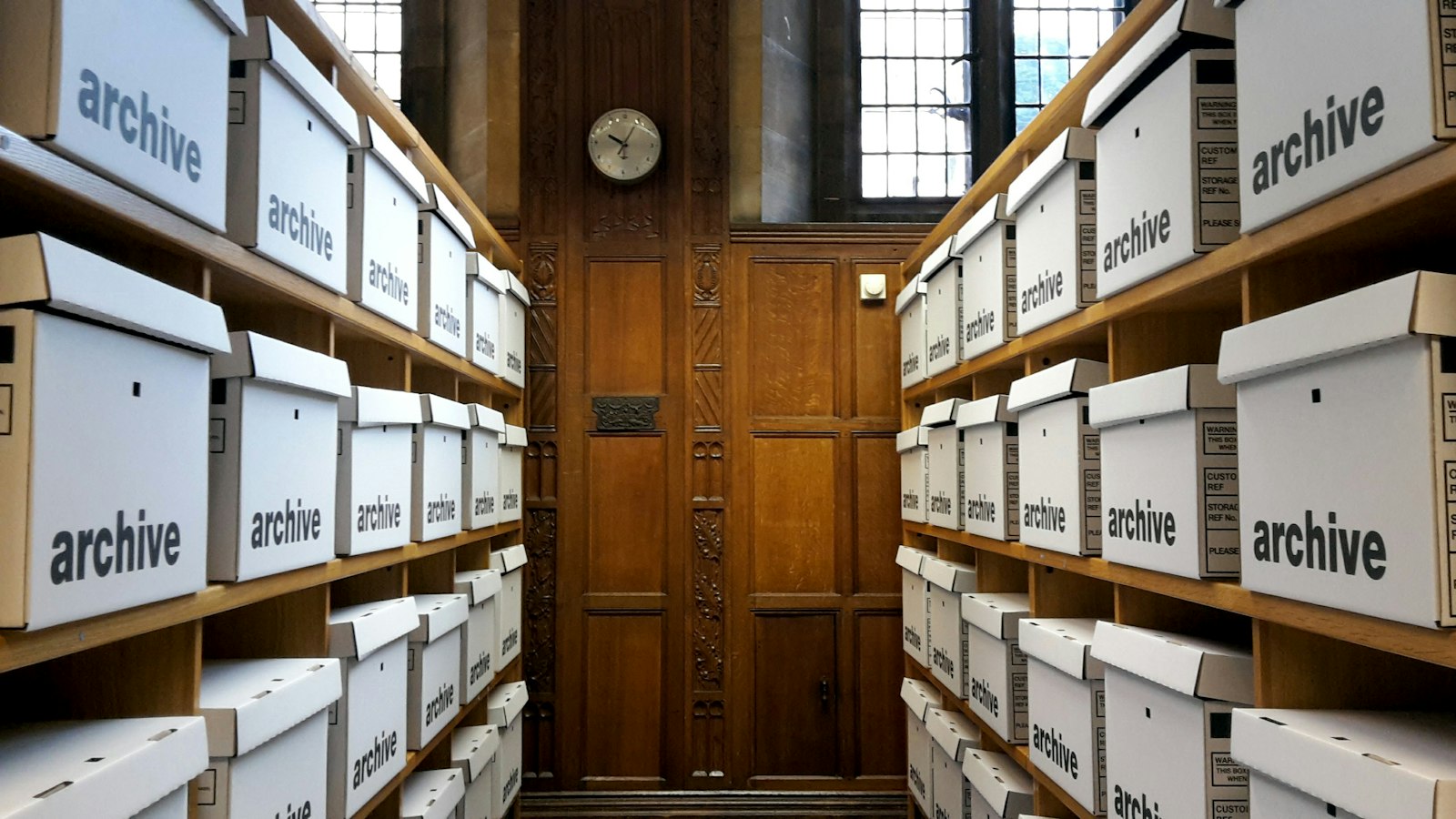
A notebook that is kept for long enough starts to collect weight. Notes written for a question you no longer have. Three drafts on the same subject, each a little different. A guide that was right two years ago and is now quietly wrong. None of these is a mistake on its own. Together they make the notebook harder to search, harder to trust and less pleasant to open.
Pruning is the slow, occasional answer to that. It is not the same as the weekly review, which deals with the fresh pile of the last seven days. Pruning looks at the older shelves: the notes that have already been filed, titled and sometimes published, and which nobody has looked at since. The aim is a smaller, clearer notebook in which nothing useful has been lost.
When a notebook needs pruning
There is no fixed schedule. A few signs tend to show that the time has come:
- You search for something and get five notes back, and you are not sure which one is current.
- You start a new note and half-remember writing it before.
- A section of your notebook has grown so long that you scroll past it rather than through it.
- You hesitate to share a link to an old note because you suspect parts of it are out of date.
For many people, once a season is enough. Others prefer a single longer session once a year. Whichever you choose, keep it separate from your writing time. Pruning is editing work, and it goes better when you are not also trying to produce something new.
Four decisions for older notes
The weekly review sorts new scraps with keep, merge, promote or let go. Older notes need a slightly different set, because they have already earned a place and may have readers. We use four decisions:
- Keep as it is. The note is still accurate, still clear, and still the only note on its subject. Leave it alone. Most notes should land here, and that is a good sign.
- Update. The note is on a subject that still matters, but some of it has gone stale: a step has changed, a link has broken, your view has shifted. Fix it in place and say what changed.
- Merge. Two or more notes cover the same ground. Combine them into the strongest one and point the others to it.
- Archive. The note is no longer useful to read, but it is a true record of something you thought or did. Move it out of the way without destroying it.
Notice that delete is not on the list. That is deliberate. Deleting is sometimes right, for a duplicate with nothing of its own or a fragment that never meant anything, but it should be the rare exception. An archive costs almost nothing, and an old note you threw away cannot be brought back when you need it.
Update and merge without losing anything
Updating is the decision people put off, because it feels like admitting the note was wrong. It was not wrong; it was written at a different time. Treat an update as a small, honest edit:
- Read the note through once before changing anything, so you know what it actually says.
- Change only what is out of date. Resist the urge to rewrite the whole thing in your current style.
- Check that the title still describes the note. If the content has shifted, the title should follow.
- Add a short dated line at the end, such as "Updated in October: the second step now uses a different setting."
For a published note, that dated line matters. Readers who came back to it, or who linked to it, deserve to know that it changed. Our note on keeping a public notebook explains why we think one honest sentence is better than a silent edit.
Merging needs a little more care, because it is where useful lines most often go missing. Choose the strongest note as the one that survives, usually the clearest or the one people already link to. Then go through the others line by line and copy across anything that is not already there: an example, a caveat, a better phrasing. Only when the weaker notes have nothing left that the survivor lacks should they be archived. If one of them was published, consider leaving it up with a single line at the top pointing readers to the merged note, so that old links still lead somewhere useful.
Archive instead of delete
An archive is simply a place for notes you are finished with but are not ready to lose. It can be a folder, a separate file, or a section of your notebook named something plain like "Archive" or "Older notes". What matters is that it is out of the way of everyday browsing and searching, and that it is still there when you want it.
A few habits make an archive more useful later:
- Keep the original date. A note from three years ago should still say when it was written. The date is part of what makes it a record rather than advice.
- Add one line of context. "Archived: replaced by the merged note on sorting" or "Archived: the tool this describes no longer exists." Future you will thank present you.
- Do not tidy the archive. Once a note is archived, leave it as it was. The value of an archive is that it is honest about the past.
On NoteNew, the dated archive on each writer's page already groups notes by year and month, and sections let you file notes under names of your own. If you decide to use a section for older notes, remember that tags connect a note to site-wide topic pages. The features page describes how sections and topics work; removing a stale tag keeps an archived note from turning up beside current notes on the same subject.
A pruning session, step by step
A pruning session should have edges, or it will spread into a weekend. Pick one section or one year of notes, not the whole notebook. An hour is plenty for a first pass.
- Choose the slice: one section, one tag or one year.
- List the notes in it by title, oldest first. Do not open them yet.
- Mark any titles that look like they cover the same ground. These are merge candidates.
- Open each note in turn and give it one decision: keep, update, merge or archive.
- Do the quick updates now. Anything that needs more than ten minutes goes on your list of notes to write.
- Merge the marked groups, copying every useful line into the surviving note before archiving the rest.
- Add a dated line to every published note you changed.
- Move archived notes to the archive with their dates intact and one line of context.
- Check tags and section names once more. Remove any that now hold only one or two notes.
- Write down which slice you pruned and when, so the next session starts somewhere else.
A pruned notebook is not a smaller notebook. It is one where every note you can find is a note you would still stand behind.
You will not finish in one session, and you do not need to. A notebook pruned one slice at a time, a few times a year, stays light without ever needing a dramatic clear-out. And because nothing was thrown away, you can always go back to the archive when an old idea turns out to be worth another look.




Comments 0
Replies to this note, oldest first.
No replies yet. Found it useful? Say so below.