Turning voice memos into notes you can use
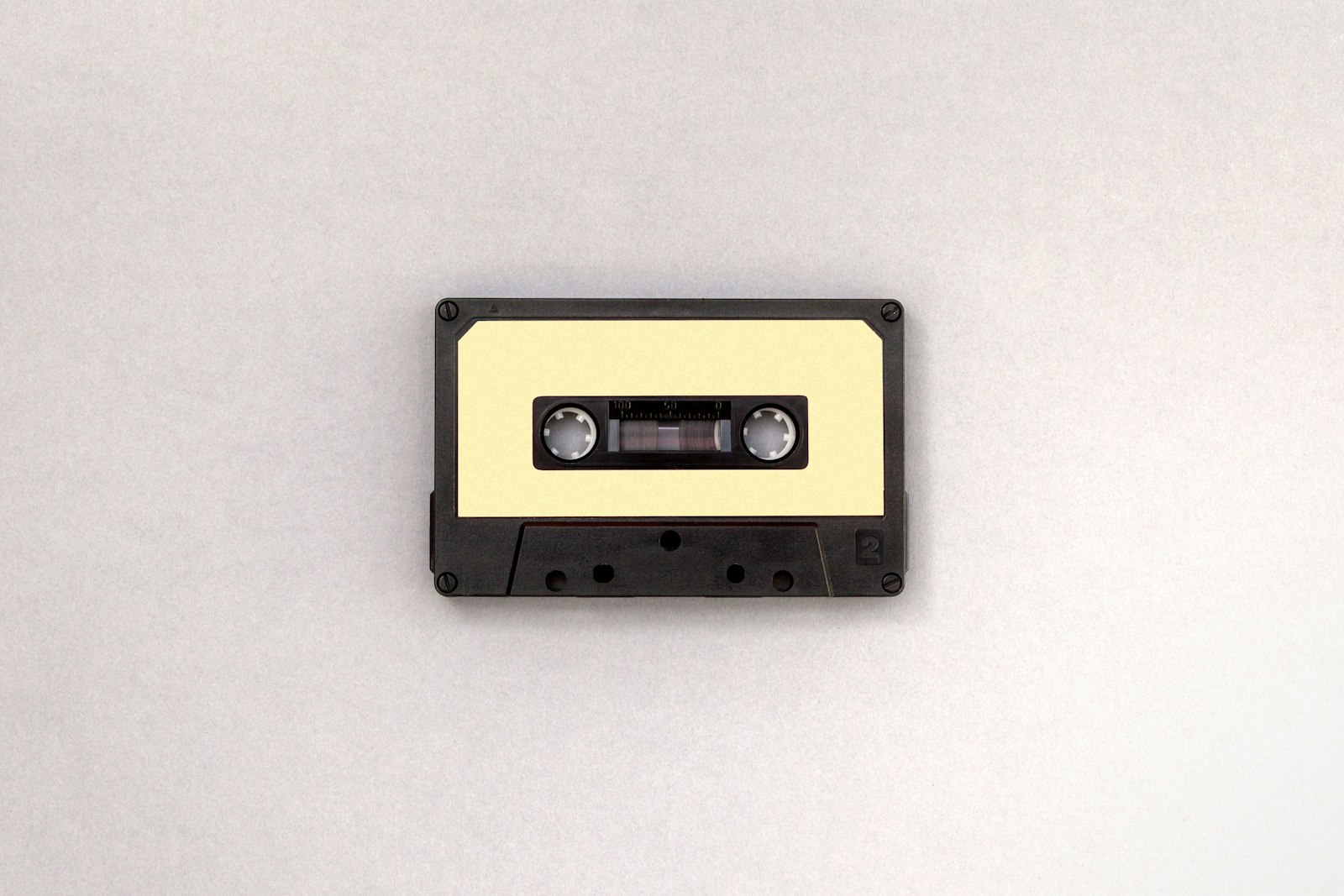
Open the voice memos on a phone that has been in use for a while and you will often find the same thing: a column of recordings called New Recording 14, each a few minutes long, each made with real conviction on the walk to the bus. Very few have been played back. Some of those ideas may be good. Nobody knows, including the person who had them.
Speaking is a fine way to catch a thought when your hands are busy. The trouble starts later, when the thought is stuck in a form you cannot skim. This note is about the small routine that gets it out again.
Why recordings pile up
A written page lets you glance, skip and search. A recording offers none of that. A four-minute memo takes four minutes, and you only learn whether it was worth them once they are gone. So opening the list feels like a chore, you put it off, and every new memo makes the chore a little bigger.
It helps to change the goal. You are not trying to keep recordings. You are trying to get the sentence or two inside each one onto a page where you can find it. Once that has happened, the audio has usually done its job.
Record with the note in mind
Most of the work of listening back can be saved at the moment you press record. Four habits do it:
- Say the subject first. "This is about the order of the chapters." Five seconds of label tells you later whether to keep listening.
- Keep to one thought per memo. When your mind moves on, stop and start a new recording. Two short memos are far easier to sort than one long one.
- Say what it is for. "This is a question for Ana." "This might become a note." "This is only so I remember." Your future self should not have to guess.
- End with a next step. "So next, I should check the old draft." A rough guess is fine. It gives the memo somewhere to go.
If your app allows it, rename the file as soon as you stop, while you are still standing on the pavement. Two or three words are enough: "chapter order", "gift for Dad". A list of named memos is a list you might actually open.
What to do with a transcript
Many phones and note apps can now turn speech into text, and it is worth trying, because text can be skimmed. Treat the result as raw material, though, and keep a few things in mind:
- Check names, numbers and dates against the audio. These are the words where a small error does the most damage.
- Do not file the transcript as the note. Even an accurate one is hard to read, because spoken sentences loop, restart and wander off. It tells you where the point is. You still have to write it.
- Find out where the audio goes. Some tools work on the device and others send recordings to a server. Look at the settings before you dictate anything private.
- Ask before you record anyone else. The rules differ from place to place. Asking is good manners everywhere.
None of this requires a transcript at all. The routine below works with your ears and a pen.
A fifteen-minute listening session
Trying to process each memo straight after recording it tends to end the habit of recording. Choose a slot instead. It sits well at the start of a weekly review, and if you talk to your phone a lot, a second short pass midweek keeps the list from growing.
- Set a timer for fifteen minutes and open a blank page.
- Start with the newest memo, while you still remember what prompted it. Older ones can wait for another session.
- Play it once, a little faster than normal if your app can do that, without stopping to draft anything.
- Write one line saying what it said. If that takes more than one line, you have found two thoughts, so give each its own.
- Sort the line: a note worth writing, a task for your list, or nothing.
- Clear the audio. Delete it, or move it to a folder called "done" if deleting makes you nervous.
Stop when the timer ends, even with memos left over. Plenty of lines will land in the "nothing" pile, and that is no failure. Saying a thing aloud often does the thinking you needed, and the recording was only a by-product.
From spoken to written
Here is something to expect when you rewrite: when we talk through an idea, the point tends to arrive near the end. The first minute is warm-up. So start from the last thing you said and work backwards, which is the same habit as putting the useful part first in any short note.
An invented memo, as it might come out of a transcript:
"Okay, so this is about the, um, the welcome email. I was thinking, I don't know, it's kind of long? People probably don't read the whole thing. And the address is at the bottom, I think only because that's where it was in the old one. But really that's the one thing they need, isn't it. So the address should go first."
And the note it becomes:
Welcome email: put the address first. It is the one thing a new guest needs, and it sits at the bottom only because the old version had it there. Next: move it, then see what else can go.
The hedging has gone, along with the thinking aloud. What remains is the conclusion, the reason and a next step, in that order. One thing is worth keeping when you edit: the odd phrase that sounds like you. People are often more direct out loud than they are at a desk, and "the one thing they need" came from the memo, not from the rewrite.
When to keep the audio, and a checklist
Some recordings should stay, because the voice is the point: a relative telling a family story, a tune you hummed, the exact wording of an interview someone agreed to give. Rename these with a subject and a date, and write a one-line note saying what each one holds and where it lives, so you can find it without listening to everything.
If a memo grows into a public note, the private parts stay behind. A conversation you recorded on a walk can teach you something general, and that lesson is what belongs in your notebook. Our guidelines are worth a look before you quote anyone.
For the next time the list gets long:
- Does each new memo open by naming its subject?
- Is there one thought per recording?
- Have you renamed it with two or three plain words?
- Is there a regular slot for listening back?
- Has each memo become one written line, sorted as a note, a task or nothing?
- Have you checked names, numbers and dates in anything you used from a transcript?
- Have you cleared the audio, unless the voice itself is what you want to keep?
A memo that has been heard once and turned into one good line has done more than a hundred saved recordings waiting for a free afternoon.

Comments 0
Replies to this note, oldest first.
No replies yet. Found it useful? Say so below.